What Are Peptide Bioregulators? Exploring Vesugen, Vesilute, Thymalin, and Thymagen in Laboratory Research

Peptide bioregulators have become an increasingly studied area of modern molecular biology. Researchers investigate these short peptide sequences to better understand cellular communication, tissue-specific signaling, regulatory pathways, and interactions between peptides and biological systems.
Unlike conventional pharmaceutical products, research peptide bioregulators are studied primarily as laboratory tools for exploring how peptide-mediated signaling may function in controlled experimental models. Bio Peptides provides a range of research-grade peptides intended strictly for laboratory and scientific investigation.
Among the peptide bioregulators available for research are Vesugen 20mg Bioregulator, Vesilute 20mg Bioregulator, Thymalin 20mg, and Thymagen 20mg Bioregulator. Each is associated with a different area of peptide and cellular signaling research.
What Are Peptide Bioregulators?
Peptide bioregulators are short peptide fragments investigated for their potential role in tissue-specific cellular communication. Because peptides can participate in signaling processes, researchers study them to understand how cells communicate, respond to biological signals, and maintain regulatory networks.
Current peptide research covers areas including molecular biology, immunology, vascular biology, cellular signaling, organ-specific peptide research, and regulatory pathway investigations.
The four Bio Peptides products discussed below illustrate how different research peptides may be associated with distinct laboratory models.
What Is Vesugen 20mg Bioregulator?

According to Bio Peptides, Vesugen is studied in laboratory settings involving vascular tissue signaling, endothelial cellular communication, and peptide-mediated regulatory mechanisms within blood-vessel-associated research models.
Researchers studying vascular peptide signaling may examine Vesugen as part of experimental models designed to better understand communication between peptides and vascular-associated cells.
What Is Vesilute 20mg Bioregulator?
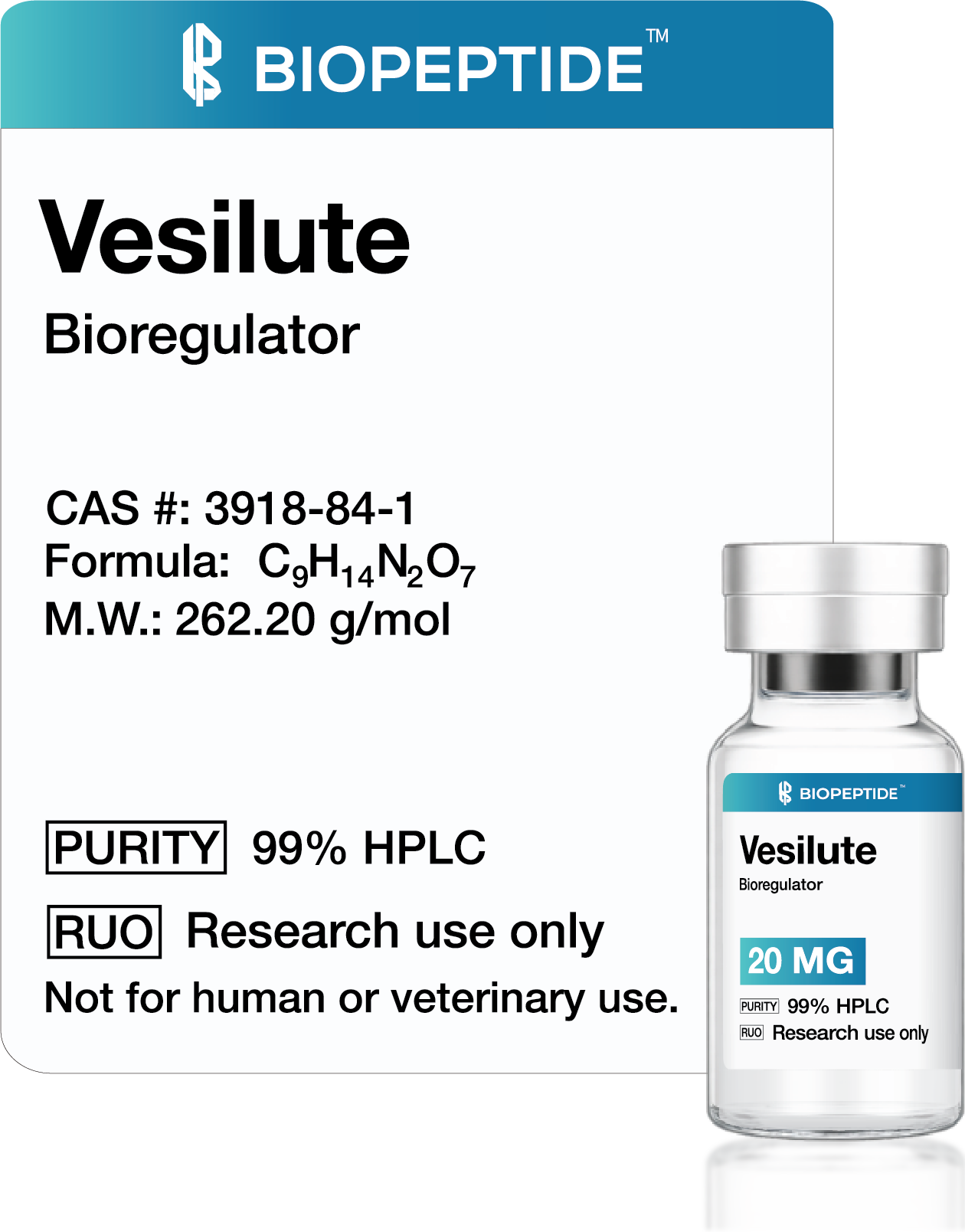
Vesilute 20mg Bioregulator represents another category of organ-specific peptide research. Laboratory investigations involving Vesilute focus primarily on bladder-associated tissue signaling and urinary-system cellular communication models.
Bio Peptides describes Vesilute as a short-chain peptide bioregulator studied for peptide-mediated regulatory signaling, bladder-associated cellular communication, and organ-specific peptide mechanisms.
This makes Vesilute relevant to researchers examining how short peptides interact with specialized tissue-signaling pathways under controlled experimental conditions.
What Is Thymalin 20mg?
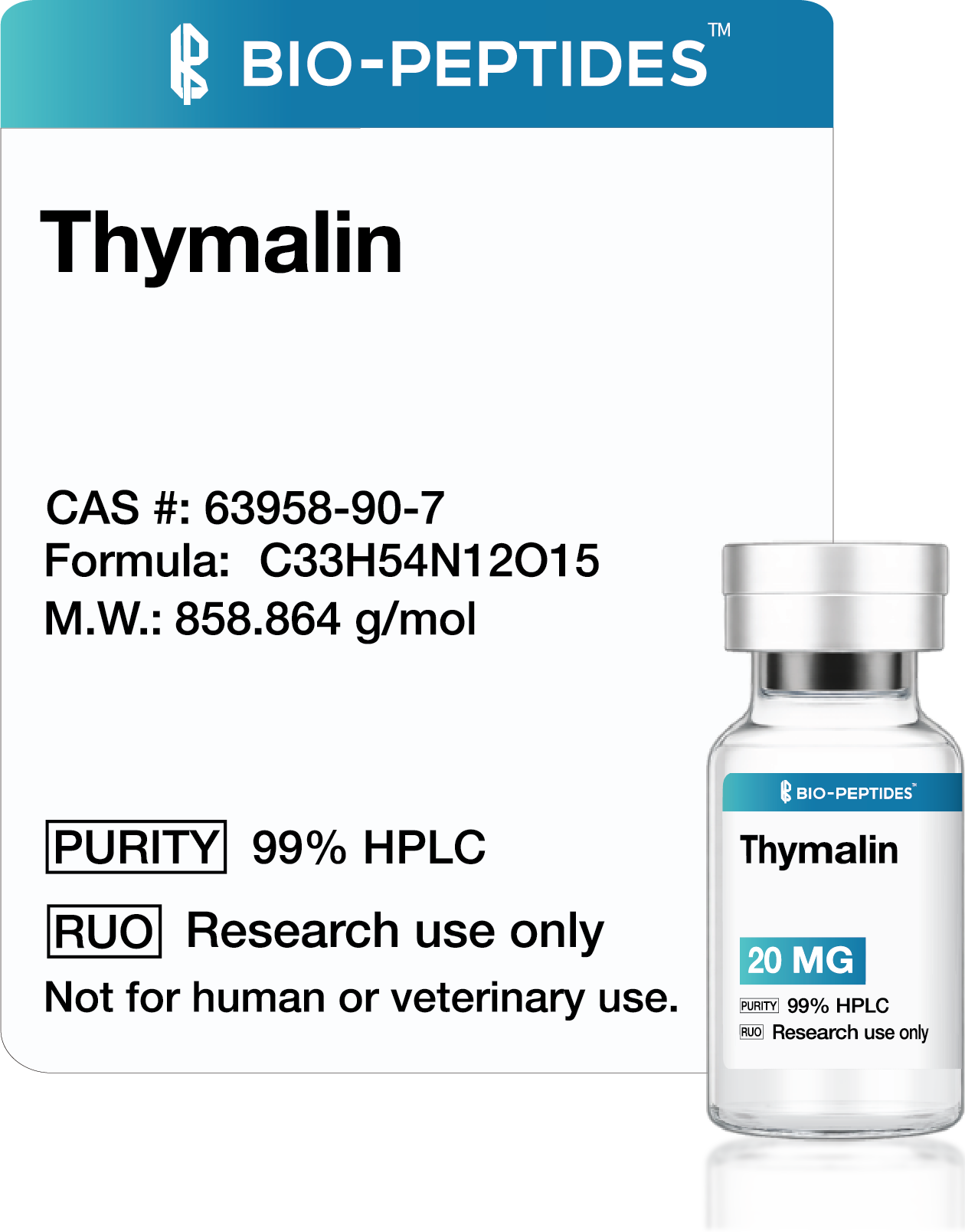
Thymalin 20mg is a thymus-associated peptide complex studied primarily in immunology and peptide signaling research.
Laboratory studies involving Thymalin investigate thymus-related cellular signaling, immune regulatory communication, organ-specific peptide interactions, and peptide-mediated signaling pathways. Bio Peptides identifies Thymalin as a thymus-derived peptide complex supplied for controlled scientific research.
The importance of Thymalin research lies in understanding biological communication rather than establishing clinical outcomes. Researchers may use thymic peptide models to explore how peptide signaling networks operate within immune-related experimental systems.
What Is Thymagen 20mg Bioregulator?
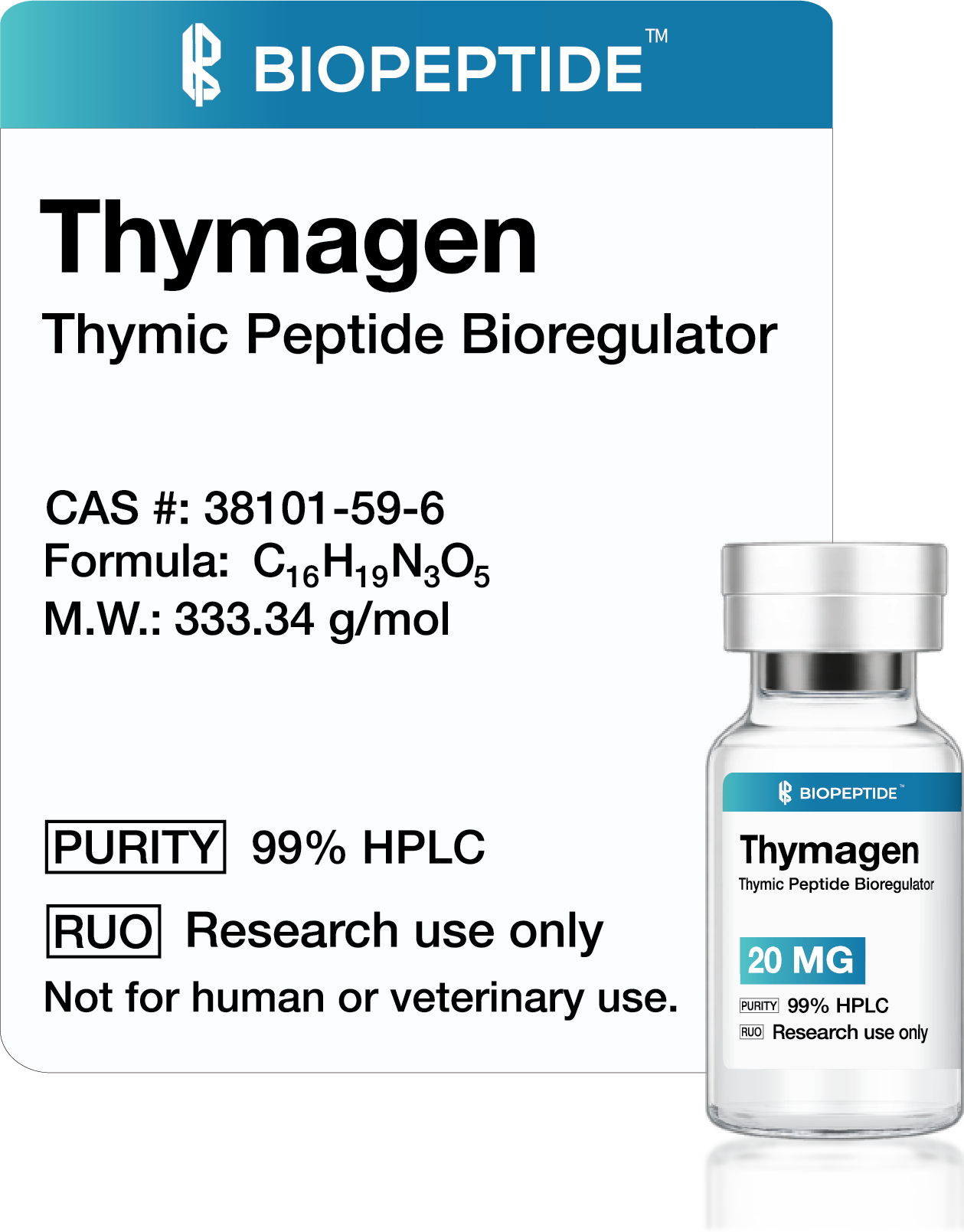
Thymagen 20mg Bioregulator is another short-chain peptide investigated in thymic and immunology research.
Bio Peptides describes Thymagen as a research bioregulator associated with thymus-related regulatory signaling pathways, immune communication networks, and peptide-mediated cellular regulation.
Although Thymalin and Thymagen are both associated with thymus-related research, they represent different peptide research materials and should not automatically be considered interchangeable.
How Do These Four Peptide Bioregulators Differ?
The easiest way to understand the four products is by their primary areas of laboratory investigation.
| Research Peptide | Main Research Focus |
|---|
| Vesugen 20mg | V ascular and endothelial signaling |
| Vesilute 20mg | Bladder and urinary tissue signaling |
| Thymalin 20mg | Thymic and immune regulatory communication |
| Thymagen 20mg | Thymus-associated peptide signaling |
These classifications demonstrate an important concept in peptide science: researchers may investigate different peptide sequences in relation to specific tissues, cellular systems, and regulatory pathways.
Why Is Analytical Quality Important in Peptide Research?
Reliable peptide experiments depend heavily on accurate identification, purity, consistency, and appropriate analytical documentation.
The Bio Peptides product pages identify analytical approaches including HPLC purity verification and mass spectrometry identity confirmation for these research materials.
For researchers, such analytical information helps support experimental reproducibility and allows laboratories to better understand the materials incorporated into controlled studies.
Final Thoughts
Research involving Vesugen 20mg Bioregulator, Vesilute 20mg Bioregulator, Thymalin 20mg, and Thymagen 20mg Bioregulator contributes to the broader scientific investigation of peptide-mediated cellular communication.
From vascular and endothelial signaling to thymic and organ-specific regulatory models, peptide bioregulators provide researchers with specialized materials for exploring complex biological signaling systems.
Bio Peptides positions these compounds as research-grade materials for controlled laboratory investigation. Importantly, these products are strictly intended for laboratory research and scientific investigation and are not approved as medicines, dietary supplements, or products for human use.


Comments
Post a Comment